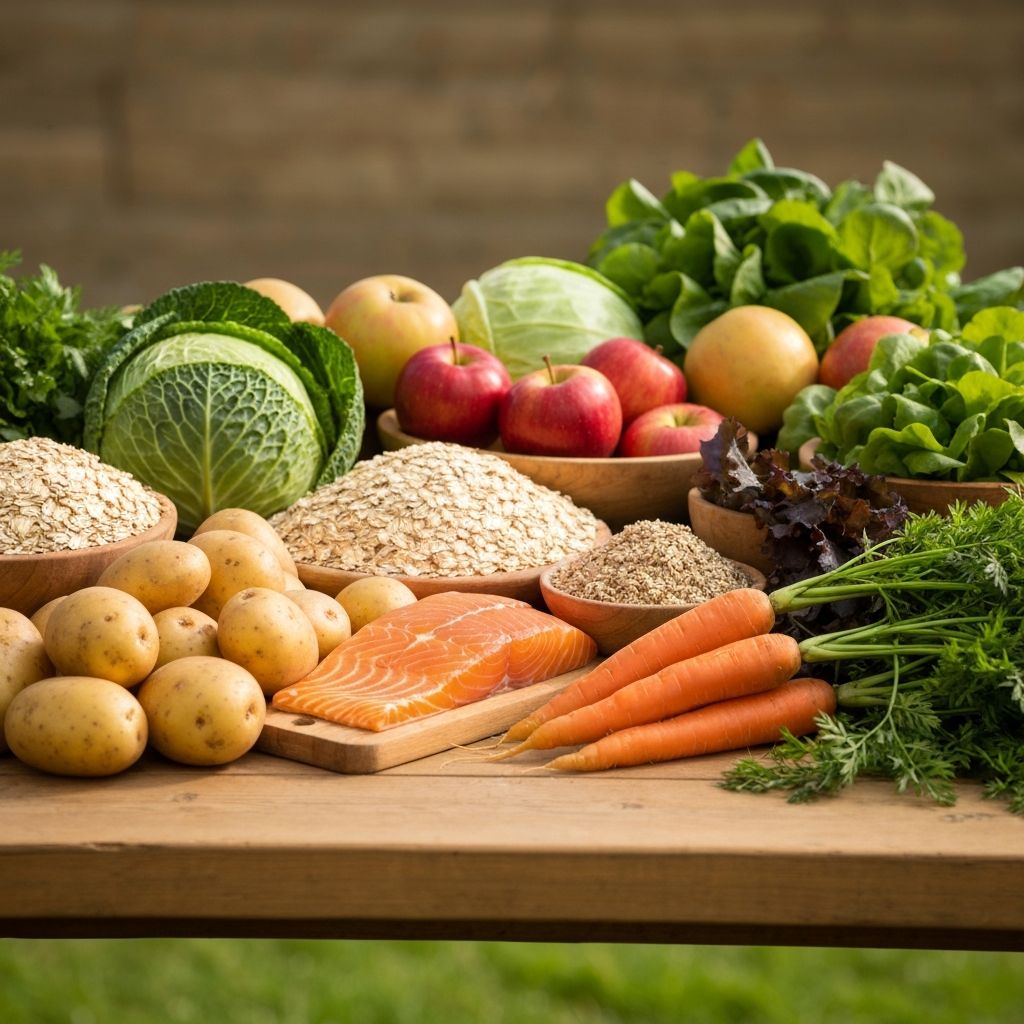
Nutrition Principles Guide
Understanding food, health, and everyday eating patterns in Northern Ireland
Introduction to Nutrition Guidance
This educational resource provides foundational information about nutrition principles and their relevance to body weight awareness in everyday life. Our content focuses on explaining evidence-based concepts, not prescribing personal dietary changes.
Core Nutrition Concepts
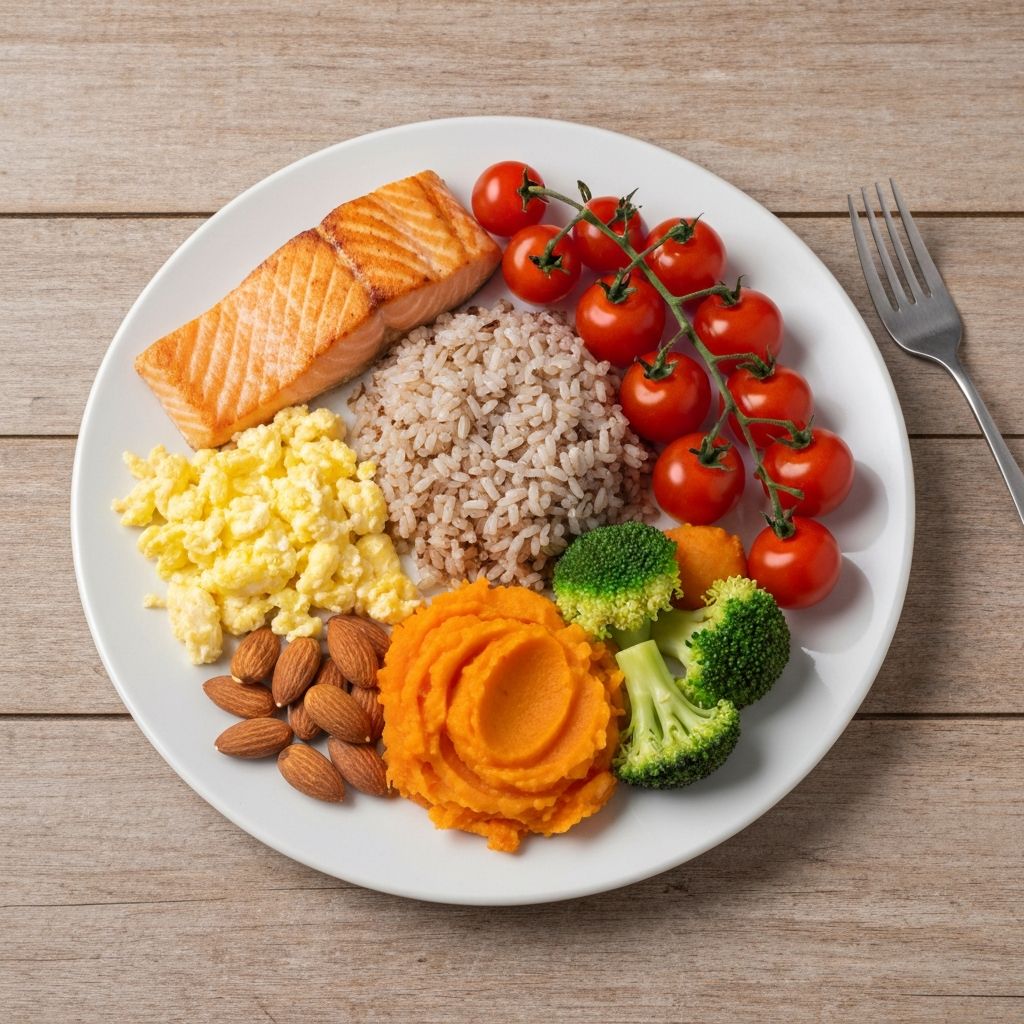
Macronutrient Building Blocks
Explore the three primary macronutrients—carbohydrates, proteins, and fats—and their roles in everyday eating patterns and human physiology.
Learn More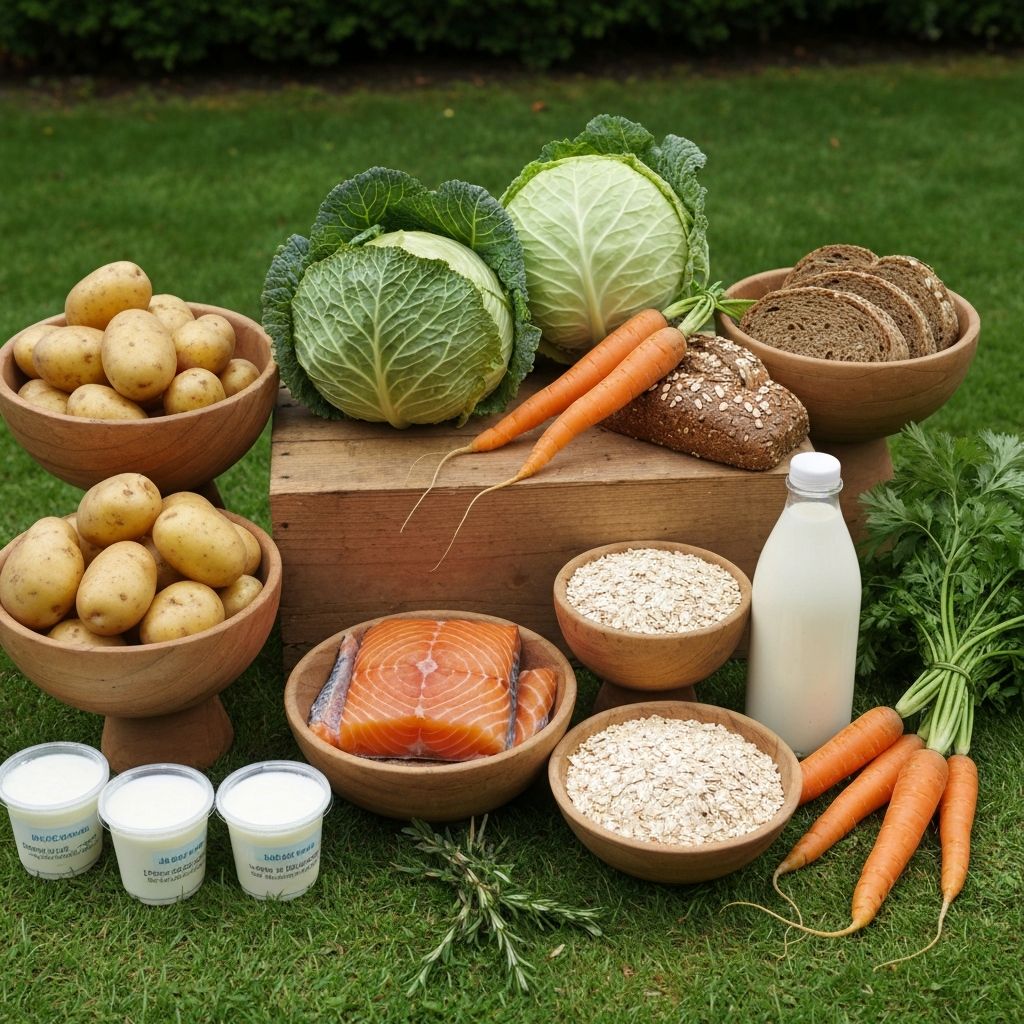
Local Food Sources Overview
Discover facts about common Northern Irish and UK ingredients, their nutritional profiles, and how they feature in regional eating patterns.
Explore Insights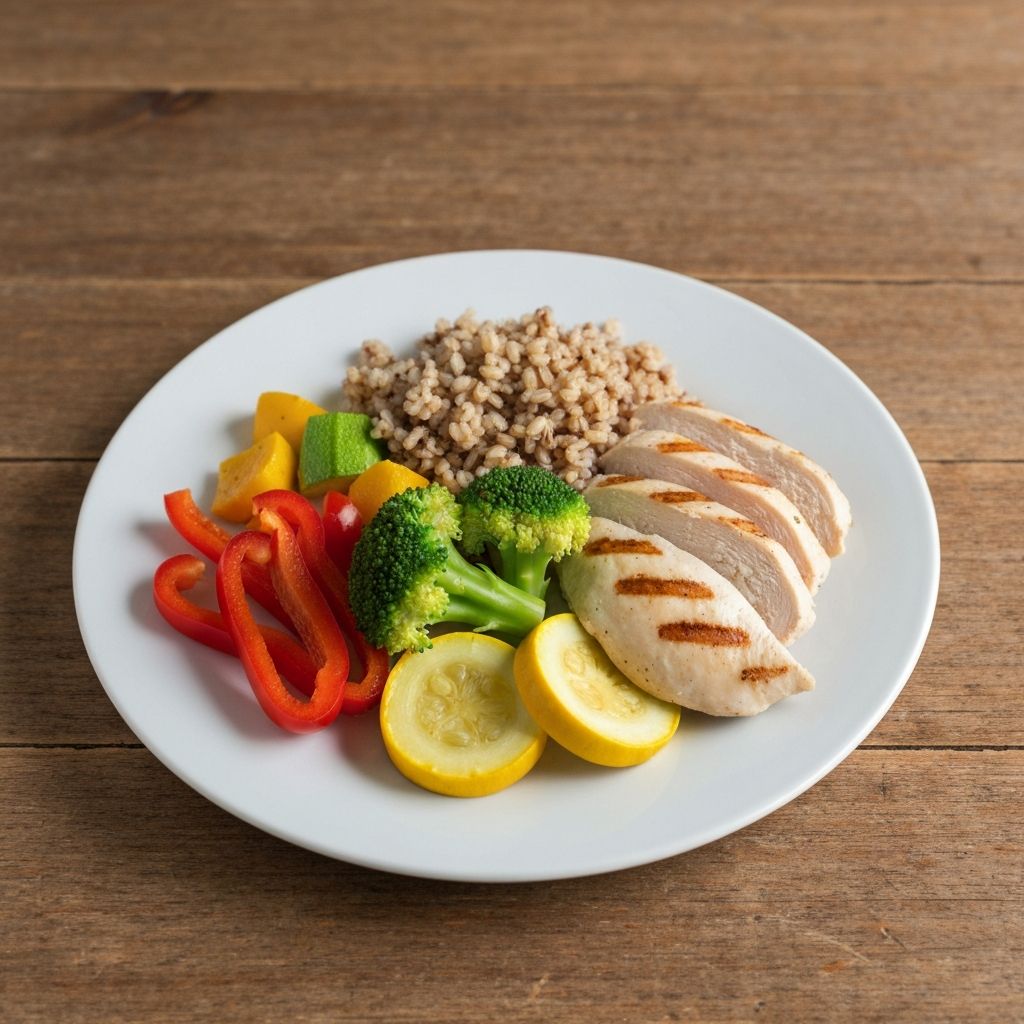
Portion and Balance Concepts
Understand general principles of plate composition and how portion size relates to energy intake in everyday eating contexts.
Read MoreUnderstanding Macronutrients
Carbohydrates
Carbohydrates are a primary energy source found in grains, vegetables, fruits, and legumes. They can be classified as simple (like those in fruit) or complex (like those in whole grains). Complex carbohydrates typically provide sustained energy and often include dietary fiber, which plays a role in digestive function.
Proteins
Proteins are essential for building and maintaining body tissues, including muscles, skin, and enzymes. Common sources include meat, fish, eggs, dairy, legumes, and nuts. Different protein sources offer varying micronutrient profiles, which is one reason dietary diversity matters.
Fats
Dietary fats serve multiple functions, including hormone production and vitamin absorption. Sources include oils, nuts, seeds, fatty fish, and avocados. The composition of dietary fat—saturated, unsaturated, and trans fats—influences various health outcomes.
Local Food Sources Overview
Northern Irish Staple Ingredients
Potatoes are a foundational crop in Northern Ireland, rich in vitamin C, potassium, and carbohydrates. They can be prepared in numerous ways, each affecting their nutritional profile.
Oats are traditionally grown and consumed in the region, providing soluble fiber and beta-glucans, which have been studied for their effects on cholesterol levels and satiety.
Fresh Fish and Seafood, particularly salmon from local waters, are excellent sources of protein and omega-3 fatty acids, which play roles in cardiovascular and cognitive function.
Vegetables like cabbage, carrots, and leafy greens are nutrient-dense foods available throughout the year, supporting diverse micronutrient intake.
Understanding the nutritional composition of locally available foods helps contextualize everyday eating patterns without suggesting specific diets.
Portion and Balance Concepts
General Plate Composition
Nutritional science suggests that meals incorporating varied food groups—vegetables, proteins, whole grains, and healthy fats—can support nutritional adequacy and satiety. There is no single "correct" plate composition, as individual needs vary significantly.
Common approaches include filling roughly half a plate with vegetables, allocating portions for a protein source and whole grain carbohydrates, and including a source of healthy fat. These are general frameworks, not prescriptive guidelines.
Energy Balance Concept
Energy balance—the relationship between calories consumed and calories expended—is a fundamental physiological concept. However, individual factors like metabolism, activity level, sleep, and stress significantly influence how the body processes and stores energy.
Understanding these concepts contextually rather than adopting specific numerical targets reflects the complexity of human nutrition.
Additional Nutrition Topics

Hydration and Daily Intake
Water and fluid intake play crucial roles in physiological functions including temperature regulation, nutrient transport, and joint lubrication. Hydration needs vary based on climate, activity level, and individual factors.
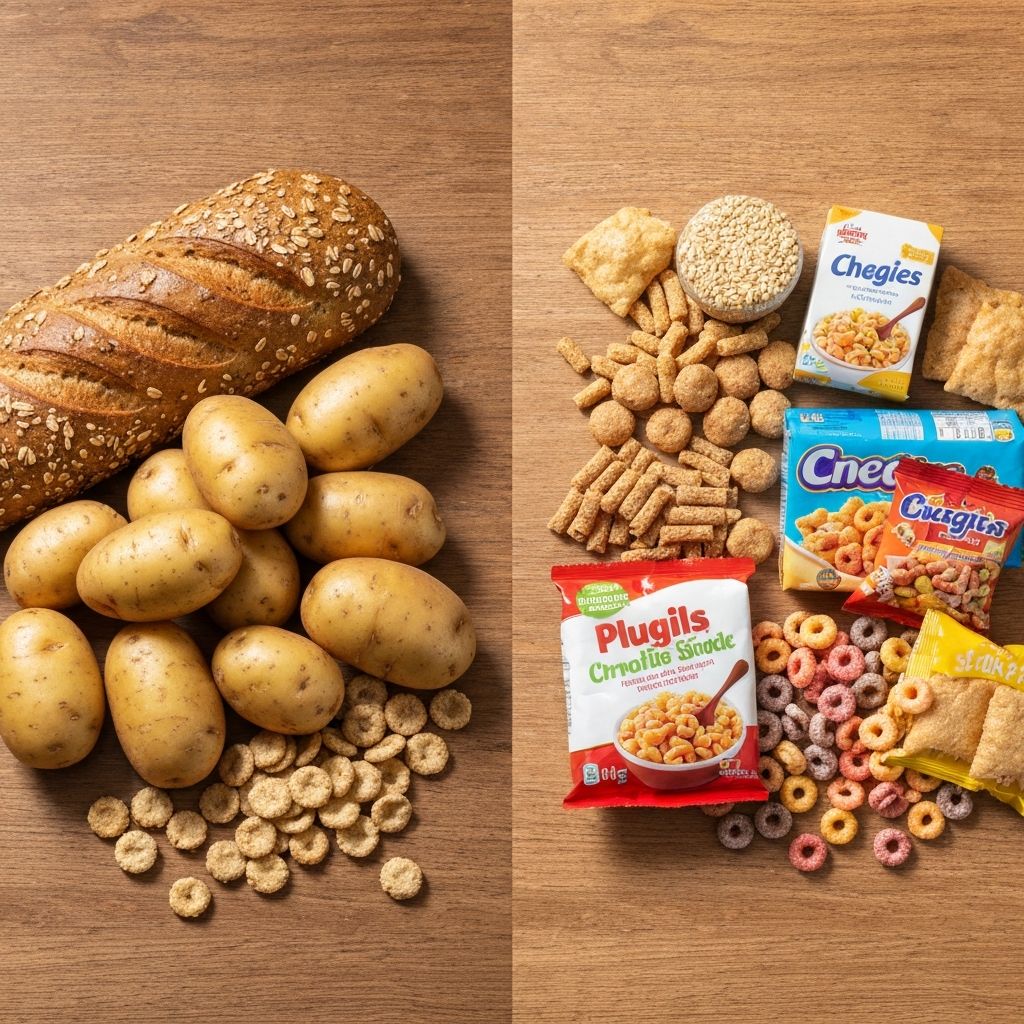
Processing Effects on Food
Food processing can preserve shelf life and add convenience, but it may also reduce certain nutrients or increase sodium and added sugars. Comparing nutrient profiles of whole versus processed versions of foods illuminates these differences.
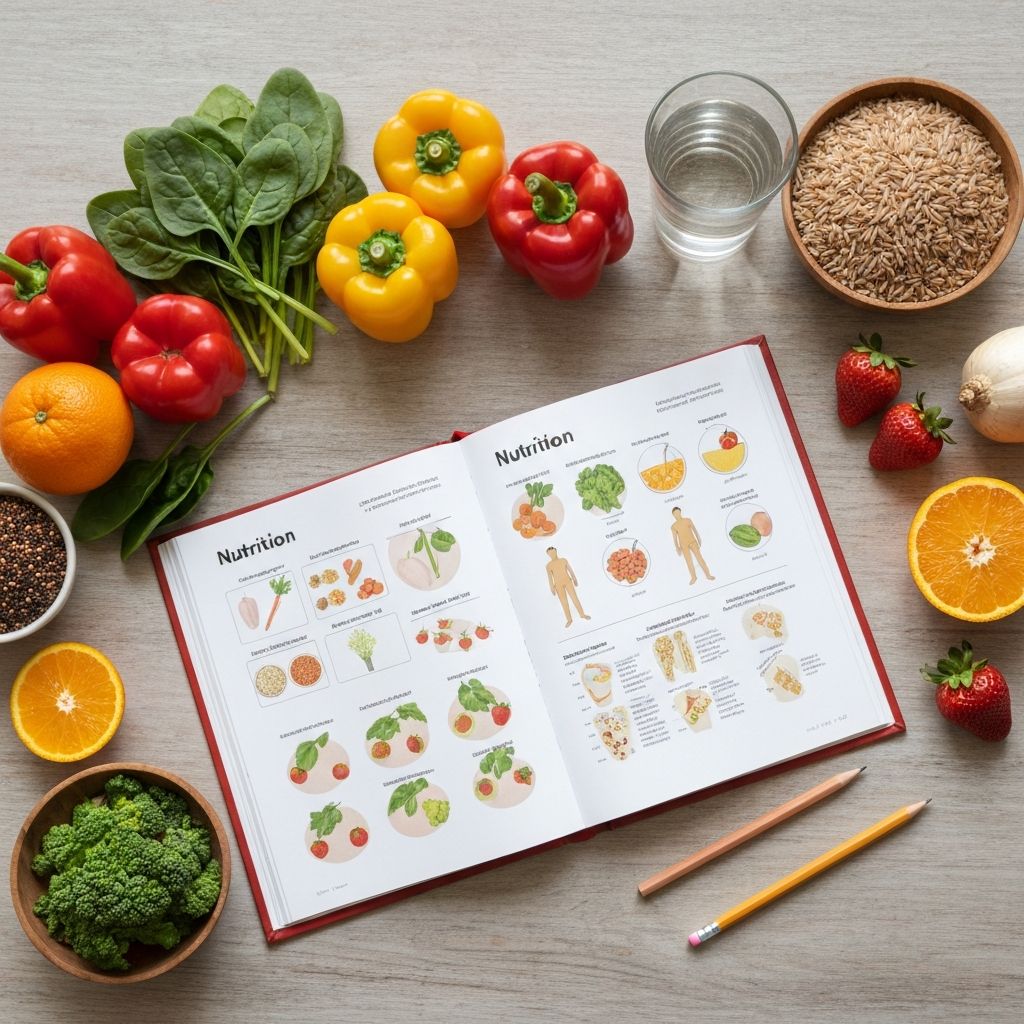
Dietary Variety and Coverage
Consuming a wide range of foods across different groups generally supports broader micronutrient intake. Variety in color, type, and source of foods relates to diversity in nutrient acquisition.
Northern Ireland Eating Patterns

Regional Health Insights
Regional health surveys in Northern Ireland provide data about local eating patterns, health outcomes, and dietary trends. These surveys show variations in nutrient intake across different populations and demographic groups.
Understanding these patterns—without attributing causality or making recommendations—helps contextualize how food choices relate to regional health observations. Research shows that food environment, cultural practices, economic factors, and education all influence eating behavior.
Traditional Northern Irish cuisine incorporates locally available ingredients and reflects centuries of cultural adaptation. Recognizing this context helps appreciate the connection between place, food, and eating patterns.
This site does not prescribe changes to traditional eating patterns but rather explains the principles underlying nutrition science as it relates to everyday food choices.
Featured Guidance Articles
Explore detailed articles on specific nutrition topics:
Understanding Macronutrients
A comprehensive overview of carbohydrates, proteins, and fats in everyday eating contexts.
Read Article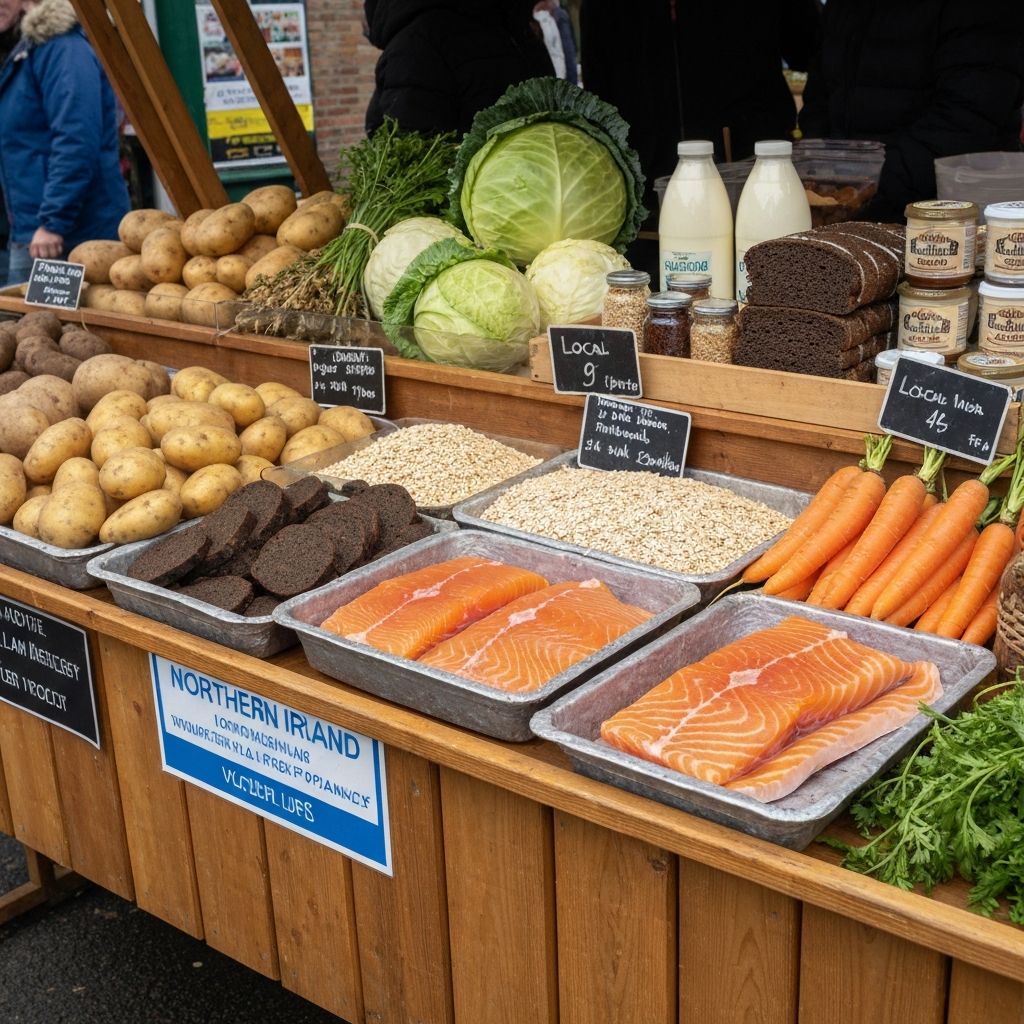
Northern Irish Staples
Explore the nutritional value of traditional local ingredients like potatoes, oats, and salmon.
Read Article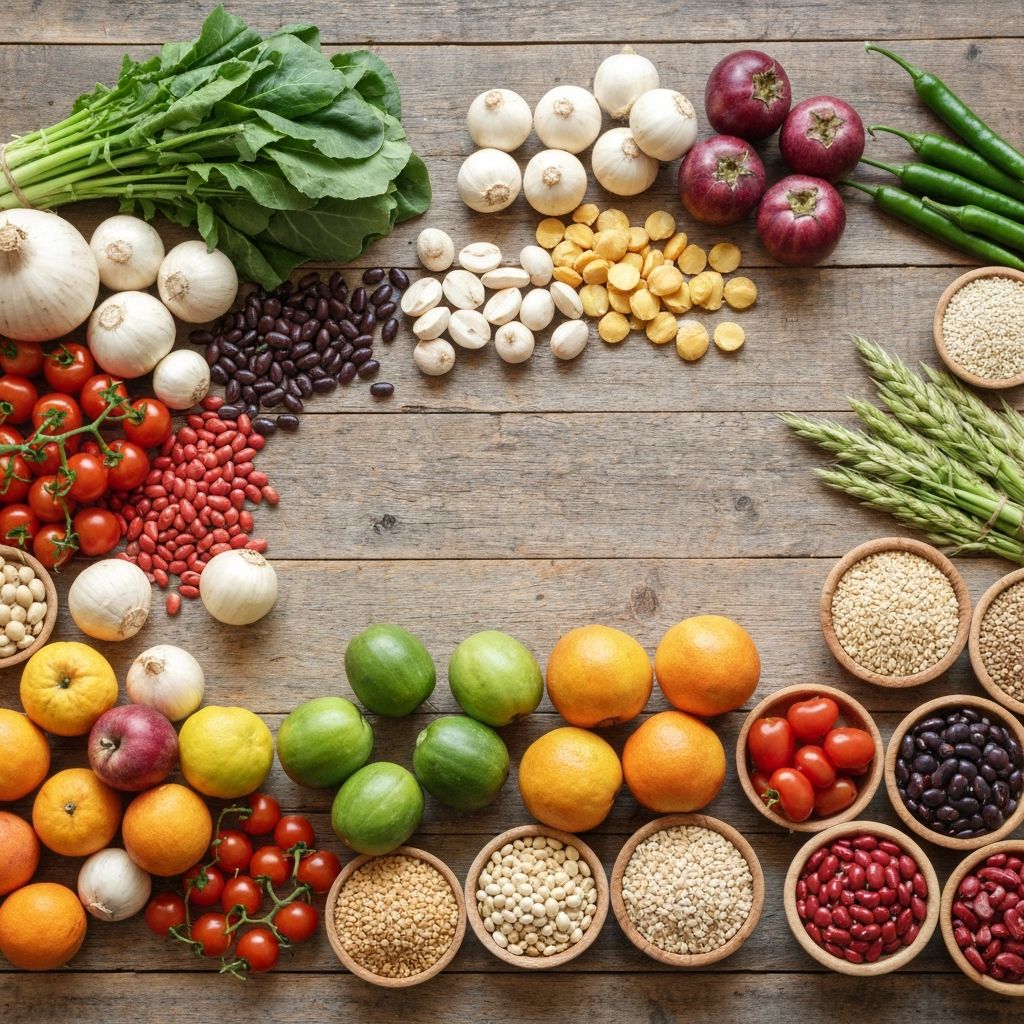
More Articles Available
Visit our full article collection for additional nutrition topics and insights.
Explore AllFrequently Asked Questions
Continue Your Learning
Explore our comprehensive articles on nutrition topics and Northern Irish food sources:
Have questions about nutrition? Contact us for more information.
Educational content only. No promises of outcomes.