Dietary Variety and Health Observations
Explore how dietary diversity relates to micronutrient intake and what research tells us about regional eating patterns.
Introduction
Dietary variety—the range of different foods and food groups consumed—is an important concept in nutrition science. Understanding why variety matters and what research shows about eating patterns provides context for thinking about healthy dietary approaches.
Why Variety Matters
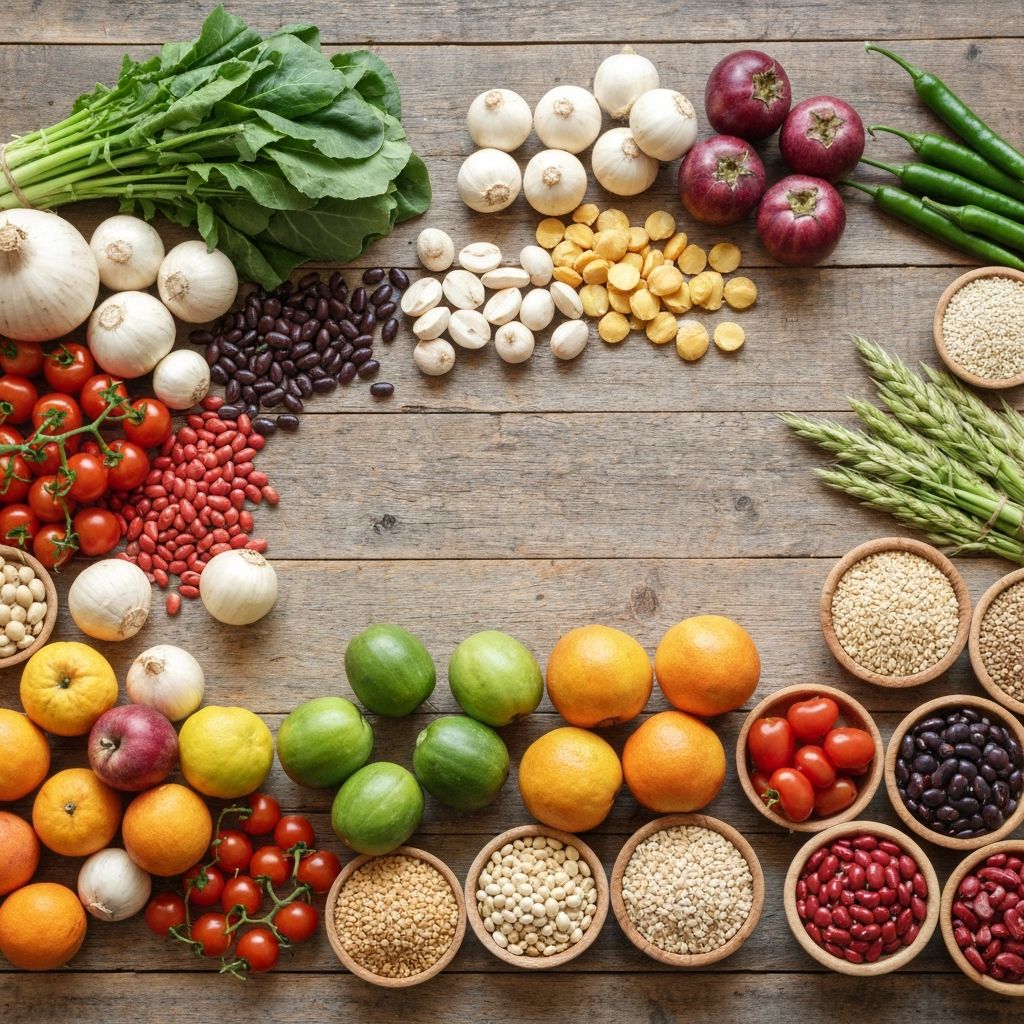
Different foods provide different nutrient profiles. No single food contains all nutrients in optimal amounts. Consuming a variety of foods from different groups ensures broader micronutrient coverage.
Micronutrient Diversity:
- Vitamins and Minerals: Different foods provide different vitamins. Leafy greens provide vitamin K and folate; carrots provide beta-carotene; fish provides vitamin D; legumes provide iron and zinc.
- Phytonutrients: Plant-based compounds with potential health effects vary by food type. Colorful vegetables contain different phytonutrient profiles.
- Fiber Types: Soluble fiber (oats, beans) and insoluble fiber (vegetables, whole grains) have different physiological effects.
Color and Nutrient Density
The color of vegetables and fruits often indicates their phytonutrient content:
Red/Pink: Tomatoes, red peppers, watermelon contain lycopene and anthocyanins.
Orange/Yellow: Carrots, sweet potatoes, oranges contain carotenoids including beta-carotene.
Green: Leafy greens, broccoli contain lutein, zeaxanthin, and chlorophyll.
Purple/Blue: Blueberries, purple cabbage contain anthocyanins with antioxidant properties.
White/Cream: Garlic, onions, mushrooms contain compounds like allicin (garlic) and beta-glucans (mushrooms).
Consuming vegetables across the color spectrum generally supports diverse phytonutrient intake.
Food Groups and Nutritional Coverage
Vegetables: Provide fiber, vitamins A and C, potassium, and various phytonutrients. Different vegetables emphasize different nutrients.
Fruits: Provide fiber, vitamin C, potassium, and natural sugars. Support satiety and provide energy.
Whole Grains: Provide complex carbohydrates, fiber, B vitamins, iron, and magnesium. Support sustained energy and digestive health.
Legumes: Provide plant-based protein, fiber, iron, and zinc. Support dietary diversity for those reducing animal product consumption.
Protein Sources: Meat, fish, eggs, dairy, nuts, and seeds provide different micronutrient profiles alongside protein. Variety in protein sources supports diverse micronutrient intake.
Healthy Fats: Oils, nuts, seeds, avocado, and fatty fish provide essential fatty acids and fat-soluble vitamins.
Research on Eating Patterns
Mediterranean Diet Research: Studies suggest that traditional Mediterranean dietary patterns—characterized by diversity including vegetables, whole grains, legumes, nuts, fish, and olive oil—are associated with positive health outcomes in many populations.
Northern Irish Eating Patterns: Regional health surveys have examined eating patterns in Northern Ireland. Research shows variation in nutrient intake across populations and demographic groups. For example:
- Some groups consume fewer servings of vegetables than recommended guidelines suggest
- Fruit and vegetable consumption relates to socioeconomic factors and food availability
- Traditional local foods remain part of regional eating patterns
Barriers and Facilitators of Dietary Variety
Factors Supporting Variety:
- Food availability and access
- Cost and affordability
- Cultural food traditions and preferences
- Cooking skills and time
- Health knowledge and motivation
- Family and social influences
Factors Limiting Variety:
- Food insecurity and limited access
- Cost constraints
- Food preferences and habits
- Allergies or intolerances
- Limited availability in food environment
- Time and cooking constraints
Practical Variety Strategies
Increasing dietary diversity doesn't require perfection or dramatically changing eating patterns:
- Try one new vegetable or fruit weekly
- Rotate through different protein sources
- Use seasonal vegetables for both flavor and cost-effectiveness
- Include different whole grains (oats, barley, brown rice)
- Add legumes to familiar dishes
- Experiment with nuts and seeds
Context and Limitations
While dietary diversity is generally supported by research, important context:
- Dietary variety is one aspect of healthy eating; portion size, overall energy intake, and other factors also matter
- Variety is relative to individual preferences, allergies, and intolerances
- Cost and food access are real constraints that affect dietary choices
- Cultural and personal food traditions have value and should be respected
Key Takeaways
Dietary variety supports broad micronutrient intake, as different foods provide different nutrients and phytonutrients. Research shows that diverse dietary patterns are associated with positive health outcomes in many populations. However, increasing variety should be achieved in ways that respect individual preferences, budgets, and circumstances.